Why Friendships Change in Your 30s (And That's Okay)
On this page
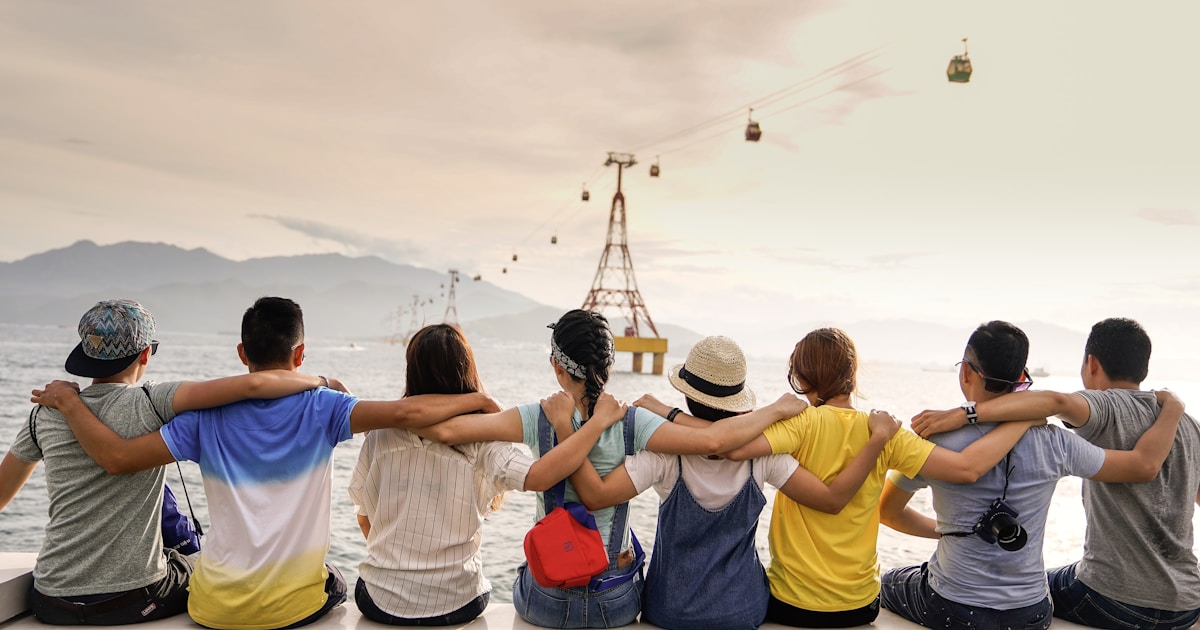
Friendships in Your 30s
Somewhere between turning 30 and now, my friend group shifted dramatically. The twenty people I’d text on a Friday night became five people I could call in a crisis. And honestly? That’s exactly as it should be.
The Great Friendship Shift
In our twenties, friendships often form around proximity and circumstance—college roommates, work happy hours, the people who happen to live nearby. In our thirties, they become more intentional.
Friends I’ve Let Go Of
- The ones who only call when they need something
- The friends who compete rather than celebrate
- People who drain my energy consistently
- Those who make me feel small
This wasn’t dramatic. No confrontations. Just slowly reducing contact and protecting my peace.
Friends I’ve Held Onto
- The ones who show up during hard times
- Friends who celebrate my wins without jealousy
- People who challenge me to grow
- Those who accept me, evolving edges and all
Quality Over Quantity
I used to measure my social worth by how many birthday messages I received or how packed my weekend plans were. Now I value depth over breadth.
My inner circle: 3-4 people who know everything My close friends: 8-10 people I see regularly My wider community: People I genuinely enjoy but see occasionally
Making New Friends at 30+
It’s harder than it used to be, but not impossible:
- Join something regular — Book clubs, fitness classes, hobby groups
- Say yes to invitations — Even when you’d rather stay home
- Be the initiator — Don’t wait for others to make plans
- Use apps — Bumble BFF exists for a reason
- Nurture work friendships — Some of my best friends started as colleagues
The Conversations We Have Now
Our conversations have evolved too. Less gossip about who’s dating whom, more discussions about:
- Career pivots and professional growth
- Family planning (or not planning)
- Mental health and therapy
- Financial strategies
- Aging parents and family dynamics
These deeper conversations have made friendships more meaningful than ever.
Maintaining Long-Distance Friendships
Life scatters us. Here’s how I keep connections alive:
- Marco Polo app — Video messages when calls don’t work
- Scheduled calls — Treat them like appointments
- Group chats — For daily life sharing
- Annual trips — Even just a weekend
- Care packages — Random “thinking of you” gifts
The Permission to Outgrow People
Sometimes friendships simply run their course. The person who was perfect for your twenties might not fit your thirties life. This doesn’t mean the friendship failed—it means it served its purpose.
Signs it might be time to let go:
- You dread seeing them
- Conversations feel forced
- You’re always the one reaching out
- They’re not happy for your growth
- The friendship is one-sided
What I’ve Learned
The best friendships in your thirties are chosen, not inherited. They require effort, grace, and sometimes difficult conversations. But the payoff—having people who truly know and love you—is worth every bit of investment.
How have your friendships changed? I’d love to hear your experiences.
Related Stories

The Art of Saying No: Boundaries for a Better Life
Learning to say no was the most important skill I developed in my thirties. Here's how to set boundaries without the guilt.

Dating After 30: What I Wish I'd Known Sooner
Dating in your thirties is different—and honestly? It's so much better than my twenties. Here's why.

Solo Travel in Your 30s: Why Every Woman Should Try It
My experience traveling alone to Portugal taught me more about myself than any self-help book ever could.